Why pray the Rosary every day for a year?


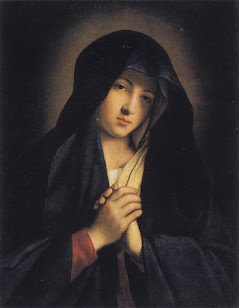
Each time the Blessed Virgin has appeared-- whether it be to Saint Bernadette Soubirous at Lourdes; to Lucia, Jacinta, and Francisco at Fatima; or to Mariette Beco at Banneux-- she has asserted the importance, saving grace, and power of praying the Holy Rosary on a daily basis. Based upon her words, the Rosary is penance and conversion for sinners, a pathway to peace, an end to war, and a powerful act of faith in Jesus Christ. Pope Paul VI presented the Rosary as a powerful means to reach Christ "not merely with Mary but indeed, insofar as this is possible to us, in the same way as Mary, who is certainly the one who thought about Him more than anyone else has ever done."

To show us how this is done, perhaps no one has been more eloquent than the great Cardinal Newman, who wrote: "The great power of the Rosary consists in the fact that it translates the Creed into Prayer. Of course, the Creed is already in a certain sense a prayer and a great act of homage towards God, but the Rosary brings us to meditate again on the great truth of His life and death, and brings this truth close to our hearts. Even Christians, although they know God, usually fear rather than love Him. The strength of the Rosary lies in the particular manner in which it considers these mysteries, since all our thinking about Christ is intertwined with the thought of His Mother, in the relations between Mother and Son; the Holy Family is presented to us, the home in which God lived His infinite love."


As Mary said at Fatima, "Jesus wants to use you to make Me known and loved. He wishes to establish the devotion to My Immaculate Heart throughout the world. I promise salvation to whoever embraces it; these souls will be dear to God, like flowers put by Me to adorn his throne."


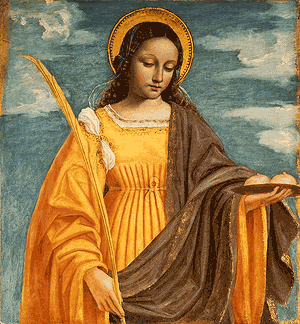
February 5: Saint Agatha of Sicily

Posted by Jacob

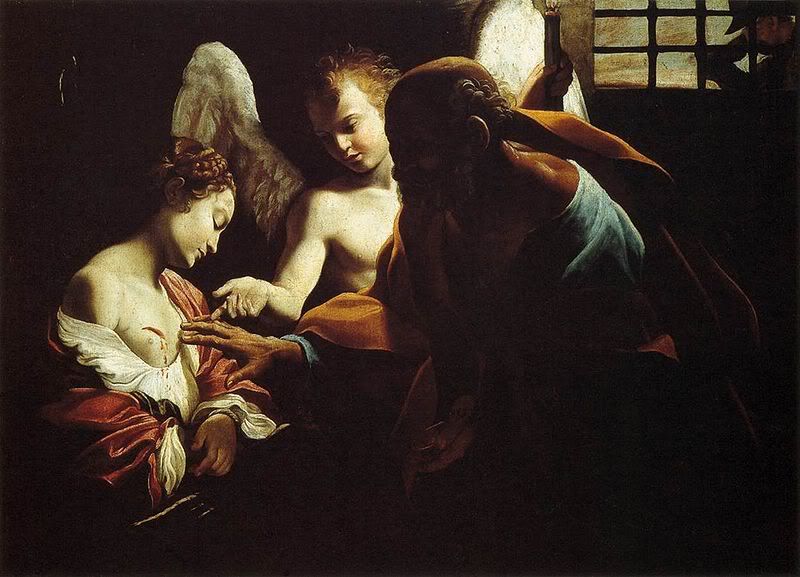
February 5 marks the feast day of Saint Agatha (born unknown, deceased 251), Virgin Martyr of the Church. Like Saint Agnes, Saint Agatha endured torture, imprisonment, persecution, and death at a very young age, all the while withstanding the pressure of society and those in power to conform. Rather, she dedicated her life, her heart, and her entire body to Christ, willingly suffering for Him and witnessing to many in the process. She is one of seven women, excluding Mary, Our Blessed Mother and Virgin, commemorated by name in the Canon of the Mass.


Little is known about the details of Agatha’s life, although her persecution and death are well established. Born in Sicily, to a wealthy noble family, Agatha consecrated herself at an early age to Jesus, proclaiming her faith, and declaring to her family her intentions to remain an unmarried virgin. Despite societal expectations at that time, and the prohibition against and persecution of Christianity by Emperor Decius, Agatha’s family were supportive of her choice and did not attempt to make her marry as was customary.

Agatha grew into a beautiful and pure young woman, who attracted the attention of many suitors, some quite powerful. She refused each, firm in her devotion to her Lord. One such suitor, the magistrate Quinctianus, looked to use the active persecution of Christians to his advantage, attempting to blackmail the young Agatha into marrying him. If she refused him, she would be imprisoned and tried as a Christian, an enemy of the Emperor Decius. Agatha refused, and was imprisoned, first in a brothel where she survived for a month without losing her purity. Brought back before Quinctianus, Agatha was observed to pray, rather than be afraid. She prayed, "Jesus Christ, Lord of all, you see my heart, you know my desires. Possess all that I am. I am your sheep: make me worthy to overcome the devil."

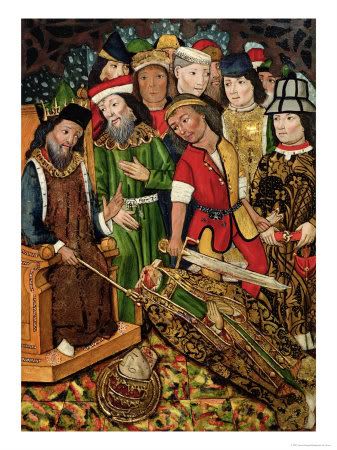
Agatha was thrown into prison following severe torture during which her breasts were both crushed and then severed from her body. To her persecutor, she is reported to have said, "Cruel man, have you forgotten your mother and the breast that nourished you, that you dare to mutilate me this way?" In early artistic renderings, Saint Agatha is oftentimes seen carrying her severed breasts on a silver tray. She is currently the patron saint of those with breast cancer.

Thrown into a dark prison cell and denied medical attention, Agatha prayed for relief, and was granted a miraculous vision of Saint Peter, who filled her cell with a heavenly light and healed her wounds. Quinctianus sentenced her to death by being rolled alive in hot coals. During the torture, an earthquake miraculously shook the area, dislodging nearby buildings and wounding those who wished to harm her. However, Agatha was quite wounded, and prayed, "Lord, my Creator, you have always protected me from the cradle; you have taken me from the love of the world and given me patience to suffer. Receive my soul." She died shortly thereafter, having been again imprisoned.

Numerous miracles have been attributed to the intercession of Saint Agatha, including averted eruptions of Mount Etna. The faith, carrying her veil, taken from her tomb in Catania, in procession have averted eruptions of Mount Etna. Her intercession is reported to have also saved Malta from Turkish invasion in 1551.

Saint Agatha inspires us to look beyond our physical selves to a much deeper communion with the Lord, the Blessed Mother, and the Saints. Even in her most desperate of times, maimed and tortured, she remained pure and virtuous, beautiful of faith and spirit, and courageous of will. Agatha’s interior world, a world consecrated to the Lord, was never touched by the cruelty of those who persecuted her. Her reliance on Jesus is remarkable given her age and that which she endured. Her sufferings make our daily complaints seem somewhat insignificant upon reflection, and yet, even with our difficulties, we have a hard time turning to God, putting our faith in Him, and trusting in His plan and protection. Perhaps that is the message of Saint Agatha—complete love and trust for the Lord, acceptance of His will, and embracing of human suffering for Him.

On a personal note, having just marked the anniversary of the death of a dear friend to cancer, Saint Agatha’s patronage of those fighting breast cancer is both poignant and timely. I pray to Saint Agatha for her intercession for all those affected by breast cancer—survivors, those currently struggling, and those who have been overcome, as well as their caregivers, families, and friends. Intercede for us, Saint Agatha. Bring comfort and healing!


Oh St. Agatha, who withstood the unwelcome advances from unwanted suitors, and suffered pain and torture for her devotion to Our Lord, we celebrate your faith, dignity and martyrdom.

Protect all against rape and other violations, guard all against breast cancer and other afflictions, and inspire all to overcome adversity.

Oh St. Agatha, virgin and martyr, mercifully grant that we who venerate your sacrifice, may receive your intercession. Amen.


Day 36 of 365
Prayer Intentions: Faith and courage in the face of adversity; Temperance and Chastity; Those affected by breast cancer.
Requested Intentions: Priests and leaders of the Church (L); The rest and repose of a dearly departed friend (J).
Special Intentions: Novena to Our Lady of Prompt Succor, for those who are struggling in the face of personal trials and tribulations, unemployment and financial stress, natural disasters (including the poor of Haiti), poverty, war, and exploitation. May Our Lady of Prompt Succor hasten to help us!
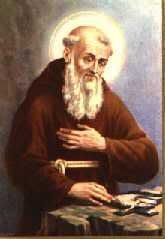
January 4: Saints Joseph of Leonissa, Joan of Valois, and Theophilus the Penitent

Posted by Jacob

Each day of the year marks the feast day of numerous saints and religious figures. While I generally pick just one to write about, today, I will briefly discuss three. These men and women lived holy lives at very different points of time in the history of Church, and each of their lives is remarkable for different reasons. For one, foregoing personal comfort and safety to minister to others was his hallmark. For another, pious acceptance of the will of God, even in the most difficult of circumstances, marked her life. For the third, repentance, penance, and prayer for forgiveness to the Blessed Mother stands as a lesson for us. Taken together, these three saints put the Christian life on display: Repentance, Penance, Acceptance of God’s Plan, Courage, and Service.

Saint Joseph of Leonissa (1556-1612) was born in Naples to a relatively poor family. From an early age, Joseph demonstrated a deep faith, erecting alters and praying to the Lord, rather than playing with siblings and peers. Oftentimes, he would encourage his young friends to pray with him, with great success. While a marriage had been arranged for him, following a serious illness during which he lost consciousness, Joseph joined the Franciscan Order. He was known for great abstinence. Referring to himself as “Brother Ass,” he is reported to have instructed his body, “there is no need to feed thee as a noble horse would be fed: thou must be content to be a poor ass.” Following fasting for an entire year, Saint Joseph traveled to Constantinople, to minister to the many Christian slaves being help in captivity there. Armed with only a Crucifix and his deep faith, he attracted many to Christianity by witness of his seemingly “comfortable poverty” and willingness to give up all he had for the Lord. Eventually, his daily preaching landed him in prison, where he sought audience with the sultan. Given permission to speak to the sultan, Saint Joseph pleaded for religious tolerance and freedom, and attempted to convert the leader. Instead, he was sentenced to death. Records indicate that he was hung by hooks through his right hand and right foot, over a smoky fire, in the center of town. Following three days of this torture, he was miraculously rescued by an angel, and returned to Italy to minister to the poor. There he resumed his vocation of wandering preacher to small villages throughout the country. With an eye of ministering to the poor, sick, and imprisoned, he helped establish hospitals, homeless shelters, and food banks. With his Crucifix in hand, he would wade into gang fights and brawls, praying, and preaching peace and good sense. Saint Joseph died on Februay 4, 1612.


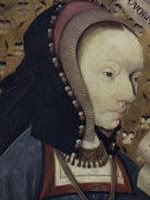
Saint Joan of Valois (1464-1505) was born into nobility in France. The second daughter of Louis XI, Joan was not blessed with the physical beauty and health of her royal family. Rather, she was blessed in other ways, including a deep piety and faith in the Lord and the Blessed Mother, and a conviction to follow the will of God. Joan, who by reports was hunchbacked, and subsequent to serious skin infections in her youth, quite pockmarked, was a difficult daughter for the king to marry off. Despite her daily suffering and disabilities, Joan remained cheerful and penitent, expressing her desire to join the Third Order of Saint Francis. Her father, however, forbade her to enter a religious community, having secured a husband for her. Joan was forced to marry the Duke of Orleans, who shortly thereafter became King Louis XII, and immediately divorced Joan, citing that he had been compelled, under fear of death, to marry her. Joan’s simple response was, “If so it is to be, praised be the Lord.”

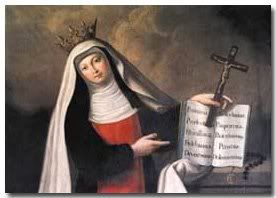
Joan left the palace, and began a devout and solitary life of prayer, She formed a contemplative society for women—the Order of the Annonciades (Annunciation)—which she served as abottess of. Its members were to devote themselves to prayer and penance, and to cultivate in all ways the virtues of Our Lady. Joan, through her own acceptance of God’s will, drew parallels between the Annunciation of Mary (“I am the handmaid of the Lord. Let it be done to me according to Thy Word.”) and her own experience, instructing her charges with a firm hand. Throughout her difficult life, Joan maintained a gentle spirit of love and kindness, and above all else, the acceptance of the Will of God in her life. Joan of France was buried in the gray, scarlet and white habit of her order, but also with the royal crown. Many miracles, especially cures, are now attributed to her intercession at her tomb.


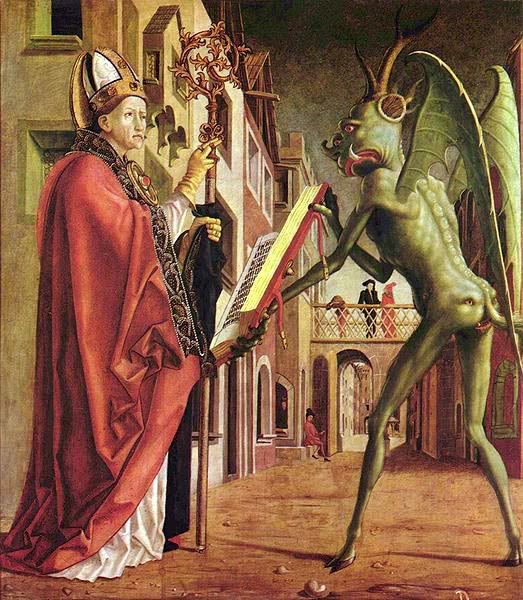
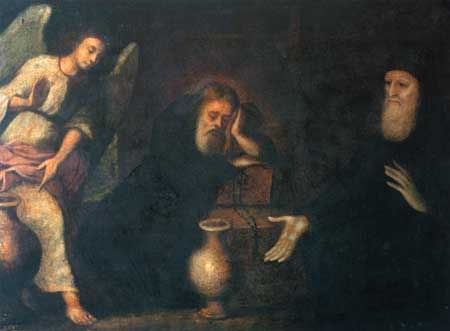
Saint Theophilus the Penitent (born unknown, died 538), also known as Saint Theophilus of Adana, was born in Turkey and eventually became an Orthodox cleric and archdeacon of Adana. Little is known about the events of his life, although legend remains regarding the role of repentance and penance in the lives of Christians. Legend recounts that Theophilus, then an archdeacon, was offered the position of bishop, but declined out of false humility. The bishop subsequently appointed deposed Theophilus’ archdeaconship. Filled with rage, pride, jealousy, and human ambition, Theophilus is said to have made a deal with the Devil to acquire the bishopric, as well as a great deal of wealth. However, upon awakening from sleep the next morning, Theophilus was filled with regret and fear for his soul. Having renounced Christ by signing a pact with the Devil, Theophilus began a rigorous fast, praying for forty days to the Blessed Virgin for forgiveness and assistance. Per legend, on the fortieth day, Mary, Mother of God, appeared to Theophilus, verbally chastising him, but granting assistance. Upon awaking again from sleep, the pact he had signed with the Devil, lay upon his chest. He took the contract to the bishop, confessing his sins. The bishop destroyed the contract with fire. Theophilus subsequently made a public confession, and spent the remainder of his life in penance and repentance, distributing his acquired wealth to the poor, and praying for salvation.

While the legend of Saint Theophilus is quite fantastical (as are many of the miracles associated with the early Saints of the Church), the lesson is quite clear, and when reflected upon, suggests why this legend persists in the faith even today. Theophilus was blinded by his anger, jealousy, and pride, and in doing so, turned away from the teachings of Christ. It isn’t until the intercession of the Blessed Mother that he realizes what has been lost, and begs for forgiveness with all his heart. Of course, our Lord, again proving His infinite love and mercy for us, welcomes him back without question.


Taken together, these three saints give us much to consider. How often are we dissatisfied with our lot in life? Whether, like Joan, it be due to our appearance or physical abilities, or like Theophilus, based upon our status, wealth, or position? How frequently do we turn from the life that the Lord wants us to live to pursue the peripheral and temporary rewards of the human world? How wonderful would it be to give up all we had, like Saint Joseph, and instead concentrate on that which lasts forever—our relationship with the Lord? How might we take steps in that direction? What can we do today to put the Lord first in our life?


Day 35 of 365
Prayer Intentions: Repentance, Penance, Courage, Acceptance of God’s Plans for us.
Requested Intentions: Priests and leaders of the Church (L); The rest and repose of a dearly departed friend (J); Reconciliation of struggling marriages (A); Reconciliation and healing in personal relationships (N).
Special Intentions: Novena to Our Lady of Prompt Succor, for those who are struggling in the face of personal trials and tribulations, unemployment and financial stress, natural disasters (including the poor of Haiti), poverty, war, and exploitation. May Our Lady of Prompt Succor hasten to help us!
January 20: Pope Saint Fabian

Posted by Jacob


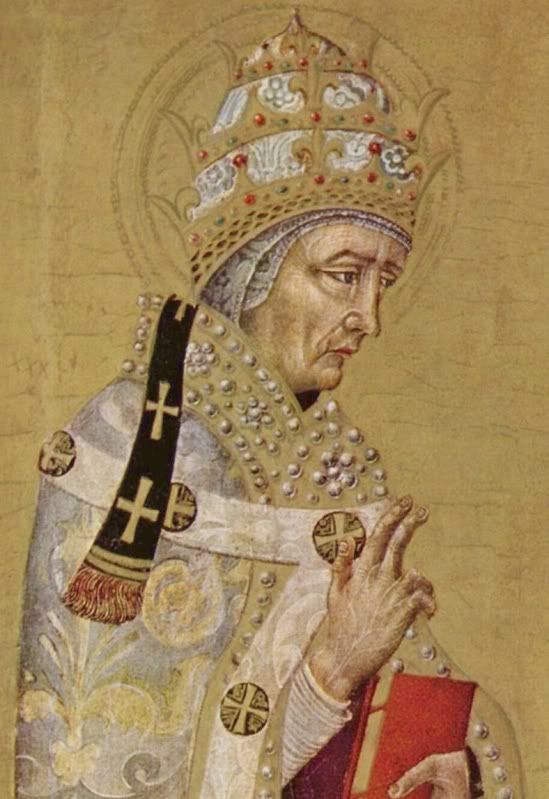
January 20 marks the feast day of Saint Fabian (birth date unknown, deceased 250). Fabian, a “relatively unimportant” layperson traveled to Rome upon the death of Pope Anteros (the nineteenth pope) in 236. While assembled during the election of the successor, in a room filled with famous men, bishops of renown, and likely candidates for the papacy, a dove appeared in the room and hovered over the head of Fabian. Understood by those present as a divine sign, representing the outpouring of the Holy Spirit on Christ, Fabian was immediately elected the twentieth pope by acclamation—the unanimous and unquestioned or unplanned agreement of all present that the Holy Spirit had chosen this candidate.


Pope Saint Fabian’s fourteen year papacy was marked with peace, much as the dove upon his head at election would suggest. During that time, Christians experienced greater rights and privileges than previously. Fabian is said to have baptized the Roman Emperor Philip and his son, built up the Church in Rome, constructed catacombs to store the remains of previous popes and saints, and collected the first Church documentation and court records of the holy martyrs who had gone to their deaths defending the Church and proclaiming the truth of Christ. Pope Saint Fabian’s time leading the Church is recognized as a period of growth and organization which enabled the people of Christ to survive the severe persecution that was soon to begin.


Fabian’s papacy ended as the reign of Emperor Decius began, and the persecution of Christians intensified to new levels. Refusing to renounce Christ and offer pagan sacrifice, Decius had Fabian beheaded. He is buried in the Catacombs of Callistus, where the stone slab on his tomb can still be read: “Fabian. Bishop. Martyr.”

Pope Saint Fabian’s life was one that was changed dramatically by the Spirit of God. He accepted the Lord’s call with grace and dignity, and was described by Saint Cyprian as an “incomparable” man whose glory in death matched the holiness and purity of his life. Saint Fabian was also a man marked by peace—not the peace that comes in life when there is nothing troubling us, or nothing wrong—but the true peace of Christ. As the persecutory climate in Rome increased, Fabian remained at peace with Christ, steadily building the Church, preparing for what was to come through his trust and confidence in the Lord. His quiet faith is an inspiration for all of us.


Day 20 of 365
Prayer Intentions: The true peace of Christ in our lives
Requested Intentions: Recovery for Grandmother with broken hip (H); Recovery for Mother who had a stroke (C); Successful surgery and recovery for father (G); Interfaith dialogue (L)
Special Intentions: Those suffering in Haiti; Those providing assistance in Haiti

January 19: Saint Absadah of Egypt

Posted by Jacob


January 19 marks the feast day of Saint Absadah of Egypt (dates unknown, circa 300). Absadah was born in Behnesa, Egypt at the height of the Diocletianic persecution of Christians, also known as the Great Persecution. During his rule, Emperor Diocletian, building upon the rules first implemented by Emperor Decius, actively implemented laws to dissuade Christians from preaching their faith, believing their faith, and living their faith. Christians were stripped of their possessions, discharged from the armed forces, and relocated. Christians were forced to participate in pagan sacrifices and rituals and to renounce their faith. Punishment of disobeying these laws included arrest, torture, and death. However, this was also a time of great Catholic martyrs—those individuals who lived their faith, and as a result, died for their faith. Without exception, these martyrs went to their deaths without defending themselves in a variety of manners, including burning, beheading, and being torn apart by wild animals. While the Emperor hoped their deaths would discourage the practice of Christianity, the curious calm and conviction of faith of these great martyrs only served to spread the faith throughout the Roman Empire. It is estimated that nearly 3,000 Christians were killed for their faith during this great persecution.


Saint Absadah was a priest of the Church in Egypt, where the persecution of Christians had not yet reached. He feared the unavoidable onset of persecution, however, and was generally consumed by his anxiety. When official decrees announced the laws of the Roman Empire in Egypt, Absadah barricaded himself in his home, planning to hide from persecution, and losing faith in the protection of the Lord. For him, at that moment, Christianity became an inconvenience.

Miraculously, Jesus appeared to Absadah, unhindered by the barricade and locks on the doors. His message, spoken, was quite plain: "No security can repel me, Absadah, and no persecution can truly kill me for I am the resurrection and the life."

Absadah realized that to hide was to deny Jesus, the Catholic faith, and the protection of the Resurrection. Absadah left his home and turned himself into the authorities. He was tried in court in Alexandria, found guilty of believing in an “unapproved power,” and sentenced to death. Absadah was beheaded outside the city before a crowd of onlookers who were moved by his faith, conviction, and courage.

The early martyrs of the Church faced persecution and death for their beliefs. They held firm to the convictions of their faith, namely that the Son of God, executed for our sins, would protect them in the Resurrection of the body, just as He has been resurrected. The life of Absadah reminds us that Jesus has already won victory for us over any struggle, sin, or persecution we suffer, as long as we trust Him and put our faith in the Lord. How often do we think we can solve life’s problems—both the tiny daily struggles and the larger concerns? We sweat and worry and focus on our solutions, rather than turning to the Lord. Today, we pray for the faith of Absadah—faith in the resurrection and the life.


Day 19 of 365
Prayer Intentions: Increased and consistent faith in the Lord; Those suffering in the aftermath of the Haitian earthquake
Requested Intentions: Successful surgery and recovery for father (G); Interfaith dialogue (L)

January 17: Saint Anthony of Egypt

Posted by Jacob


The feast day of Saint Anthony of Egypt (251-356), also known as Saint Anthony the Abbot, Saint Anthony the Great, and Anthony of the Desert, is celebrated today. Like Saint Paul the Hermit, who we celebrated last week, Saint Anthony was a man of God, contemplative and ascetic, who preferred solitude and was significantly tested by the Devil. Saint Anthony, often wrongly credited as the first monk, help spread the concepts of acesticism and monasticism by being the first to go into the wilderness (in this case the desert) to contemplate the Lord.


Saint Anthony grew up a wealthy man, and following the deaths of his family at age 20, was moved by the Gospel of Mark: “Go, Sell what you have, and give to the poor” (10:21). Doing just that, Saint Anthony sold his possessions, distributing them to those in need, and wandered into the deep desert to live and pray. He fasted, eating only a small amount of food after nightfall each day, and spent his days in quite contemplation and prayer. Saint Athanasius, who wrote a biography of Saint Anthony detailed that the Devil was so attracted to this prayerful man, he engaged in an all-out fight with him, afflicting him with boredom, apathy, and temptations of the flesh in the form of women. During one of these such temptations, Saint Anthony had a vision that the entire world was full of snares and traps. He cried to the Lord, "Oh good Lord, who may escape from these snares?" A voice said back to him, saying, "humility shall escape them without more." Saint Anthony overcame these temptations through prayer, angering the Devil so greatly that he sent a legion of demons to beat him unconscious. After one particular difficult struggle, Saint Anthony saw a light. Knowing it was God, he called out, "Where were you when I needed you?" and was answered, "I was here. I was watching your struggle. Because you didn't give in, I will stay with you and protect you forever." The villagers who occasionally brought him food found Saint Anthony near death, returning him to the village and offering medical care.


Saint Anthony returned to the wilderness, sealing himself into an abandoned Roman fort, and communicating only through a small crack in the outer wall. Again the Devil tortured him with visions of savage animals, threatening to kill him, but through his deep faith, Saint Anthony prevailed. Never antisocial, Saint Anthony received villagers, offering advice and spiritual guidance in brief words through the crack in the wall, although these faithful were never allowed entrance into his cell. Following 30 years of isolation, Saint Anthony emerged from the fort, and contrary to expectations, was healthy, robust, and spiritually enlightened. He checked on the status of various faith communities, actively opposing the laws of the time by preaching Christian faith.

Saint Anthony returned to the desert, inspiring a monastery and attracting followers. While he lived separately from the community, he instructed the brothers through manual work and prayer. Saint Anthony died at the age of 105, and was buried in an unmarked desert grave. This grave was later discovered and moved a number of times to escape destruction and persecution, ending up in France (Saint-Antoine-en-Dauphiné), and held responsible for a number of miracles, including miraculous cures of skin afflictions known as St. Anthony’s Fire.

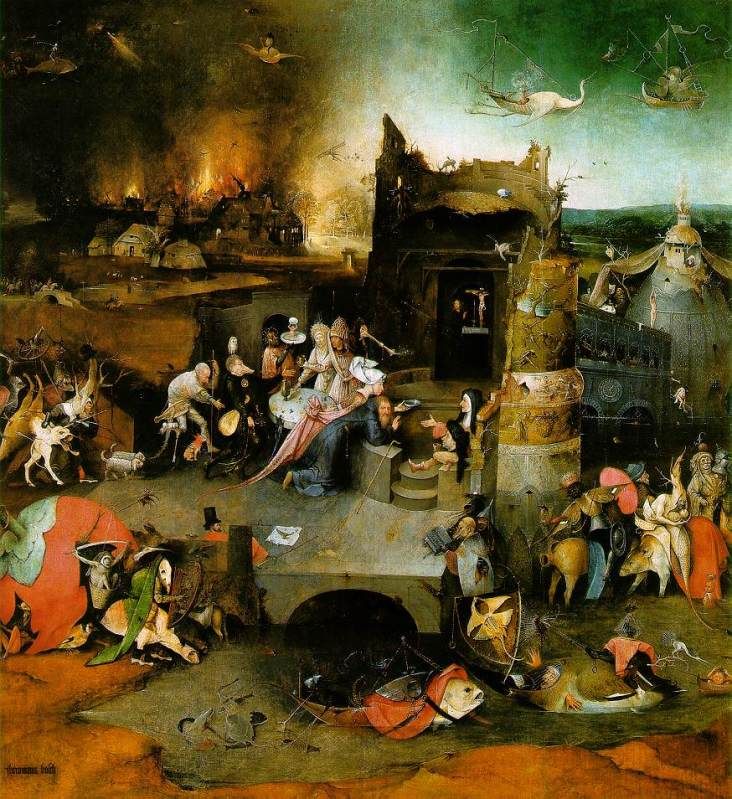
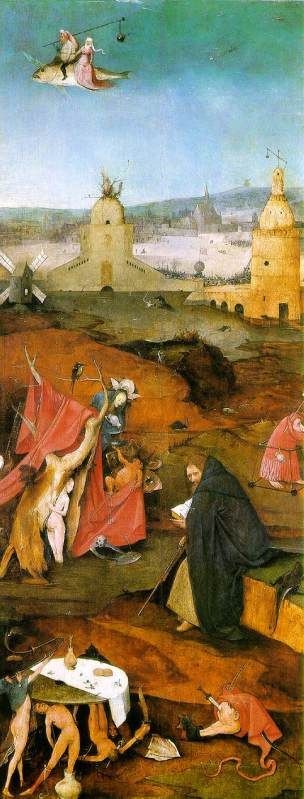
Saint Anthony’s temptations inspired a book, an opera, and numerous paintings. In art, Saint Anthony is often depicted with a T-shaped Cross, a book, and a pig. The Cross and book represent his tools to fight the Devil, whereas the pig is thought to represent the Devil. One important painting of Saint Anthony was created by Heironymous Bosch, a Dutch painter in the 14th century. As the website of the WebMuseum, Paris describes:


Bosch's spiritual heroes were the saints who endured both physical and mental torment, yet remained steadfast. Among the saints, Bosch's favorite was Saint Anthony, the subject of his triptych The Temptation of Saint Anthony (c.1500; Museo National de Arte Antiga, Lisbon), which features physical punishment on the left wing, a Black Mass in the center, and the blandishments of food and sex on the right wing. St. Anthony's triumph over such trials is mirrored by those of other hermit saints and by the Passion of Christ, whose arrest and carrying of the cross adorn the exterior of the Lisbon altarpiece.


In Bosch's day, temptation not only had the meaning it has today, but also meant physical/mental assault by demons. So St Anthony is not only tempted by the pleasures of the flesh and so on, he is also beaten up and terrorized by the demons.


(click on pictures to enlarge)

Saint Anthony endured significant temptation, anticipating the traps and snares of the Devil, and then relying on God’s love and support to overcome them. His reliance on the Lord, and deep faith in his goodness and protection, allowed Saint Anthony to persevere, even in the most dark and depressing times. How often do we give up, lose hope, and despair in our lot in life? How quickly do we feel abandoned by the Lord? How often do we hear (or say), ‘A loving God wouldn’t let this happen?’ We look to Saint Anthony’s quiet faith as inspiration. Let us know lose faith, but remain strong in the knowledge that our Lord will never abandon us. Let us pray for the intercession of Saint Anthony and our Holy Mother for strength, that we may continue to struggle against the temptations of Satan.


Day 17 of 365
Prayer Intentions: For the strength to resist temptation; For a deepening of faith; Those suffering in the aftermath of the Haitian earthquake
Prayer Requests: For a loved one’s recovery from breast cancer (P); Peace in the life of a son (J); Recovery from surgery (L); For a sick brother (E)
Special Intentions: Those trying to conceive or adopt; Those who are pregnant or expecting children; New parents; Those who have experienced miscarriage or pregnancy complications

January 15: Saint Paul the Hermit

Posted by Jacob


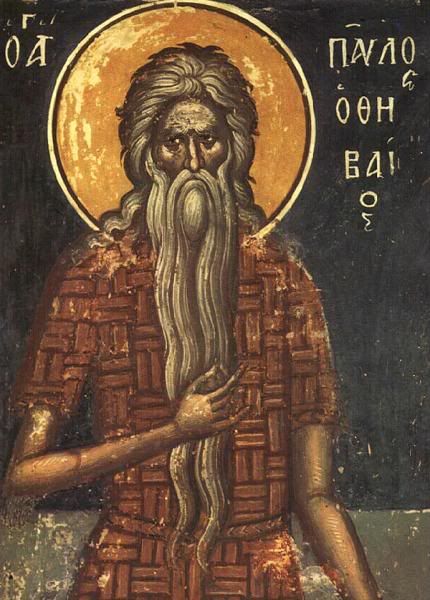
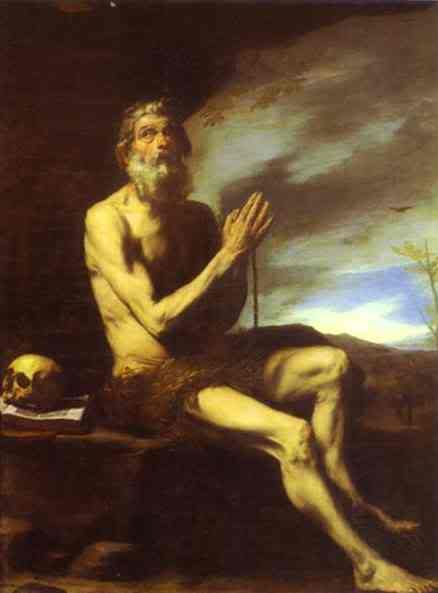
The feast day of Saint Paul the Hermit (229-342) is celebrated today. Saint Paul was born in lower Egypt, near Thebes. Orphaned at fifteen, and having survived the persecution of the Church by Emperor Decius, Paul gave up his possessions at age 22 and escaped to the desert. It is here that Paul, the First Hermit, lived for the remainder of his long life in solitude and heavenly contemplation. Despite isolating himself from the world to grow closer to God, Saint Paul continued to pray for the world, praying that it would grow more holy.

Upon arriving in the desert, Saint Paul settled in a cave, near a freshly flowing stream and a single palm tree. The stream provided his water and the tree his food for the first 21 years of his contemplative life. Neither having seen nor talked to anyone during that time, a raven began visiting Saint Paul each day, bringing him a half loaf of bread. Saint Paul subsisted on this meager ration his entire life.

Near the end of his life, Saint Paul’s solitude was interrupted by a visit from Saint Anthony, who in vain thought sought him out to prove that he had served God in the wilderness longer. Upon meeting Saint Paul, Saint Anthony attested to the fact that Paul was a more perfect man than he. The two conversed, with the raven delivering an entire loaf of bread that day.


Saint Anthony returned to bury Saint Paul upon his death, at the urging of then bishop (and now saint) Athanasius. Upon arrival to bury him, Saint Anthony reportedly found a grave freshly dug by a pair of lions. Saint Paul was buried, wrapped in the bishop’s cloak, at the advanced age of 113. The events of his life were later recorded by Saint Jerome.

Saint Paul the Hermit sought communion with the Lord through quiet thought, prayer, and contemplation. By shutting out the noise and distraction of society, he was able to discover the Lord’s blessings more fully in his life. While we may view Saint Paul’s lifestyle as “drastic,” we might also take a lesson from him regarding the importance of quiet space and contemplation. Are we too busy to stop, be still, and in the silence find our Lord? Even when we try, are we able to “turn off” our minds, forget about the annoyances and worries of the day, and focus on Jesus, our savior? Saint Paul inspires us to take time out of our busy lives to sit quietly in prayer and listen for the voice of God.


Day 15 of 365
Prayer Intentions: Stillness within us to commune with God; Those suffering in the aftermath of the Haitian earthquake
Prayer Requests: Friend undergoing kidney transplant and dialysis (L); Continued employment for those who are at risk of job loss (J)
Special Intentions: Those trying to conceive or adopt; Those who are pregnant or expecting children; New parents; Those who have experienced miscarriage or pregnancy complications

January 13: St. Hilary of Poiters

Posted by Jacob


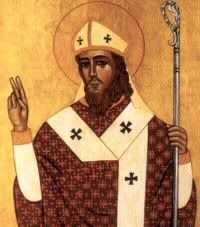
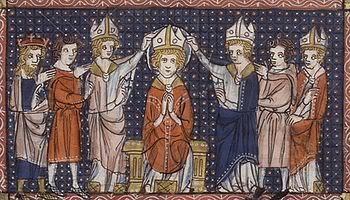
Today, January 13, marks the memorial of Saint Hilary of Poiters (A.D. 368), Church bishop and doctor. Known as a staunch defender of the faith, Saint Hilary suffered persecution and exile for asserting the truth of the divinity of Jesus. At that time, the early church was undergoing attack from outside, but also from within in the form of heresy. Even church leaders asserted mistruths about the faith in efforts to justify allegiances to powerful governments or lapses in their own lives. Saint Hilary orthodoxy and public defense of the faith led to exile on the coast of then, Phyrgia (now Turkey). While in exile he penned a 12 volume set of books devoted to exploration of the divinity of Christ and the Holy Trinity.

Throughout his life, in the midst of strife, Saint Hilary fought to speak and write the truth. He facilitated meetings and discussions amongst the various rifts in the church at the time, counseling patience and understanding, while never compromising the tenets of the faith. A favorite motto of St. Hilary was, Ministros veritatis decet vera proferre, "Servants of the truth ought speak the truth."


Speaking the truth is rarely easy when it comes to our Christian beliefs. Many would choose not to hear it, which oftentimes makes us reluctant—whether we are afraid of argument, condemntation, mockery, or just seeming foolish. How often do we discount, deny, or modify the truth of Christ to be more accepted in today’s society? Saint Hilary stands as an example to us—he lost his home, his family (he was bishop prior to church doctrine on celibacy of priests and bishops), his freedom because he refused to back down from preaching the truth of the Gospel. Today, I continue to pray for those who are fearful and afraid, as well as the courage to be truthful.

Today is the fourth day of my Novena to Our Lady of the Immaculate Conception, for the intentions of those trying to conceive or adopt, who are pregnant or expecting children, new parents, and those who have experienced miscarriage or pregnancy complications.

Requested prayers today include recovery for a friend suffering from cancer (D), safe recovery for those undergoing surgery (L), and for the success of the Rosaries for Bishops campaign (S).


Day 13 of 365
Prayer Intentions: Those who live in fear; The times when we are afraid; The courage to be truthful
Prayer Requests: Friend suffering with cancer (D); Success of the Rosaries for Bishops campaign; Recovery from illness (L)
Special Intentions: Those trying to conceive or adopt; Those who are pregnant or expecting children; New parents; Those who have experienced miscarriage or pregnancy complications

January 12: Saint Marguerite Bourgeoys

Posted by Jacob

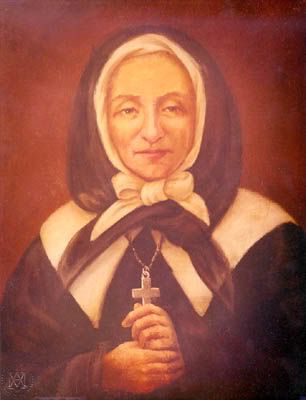
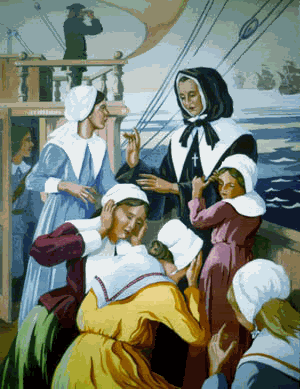
Today marks the feast day and anniversary of the death of Saint Marguerite Bourgeoys (1620-1700), a native of France who, based upon her devotion to the Blessed Virgin, gave up her inheritence and traveled to Canada as a young woman. Marguerite strongly felt the Lord’s call, battling against adversity both from within the Church and without. She survived several outbreaks of plague while traveling to the “New World,” a fire which consumed her village, several attacks by Native American Iriquois Indians, poverty, hunger, and the hardships associated with settling the isolated outpost which would become modern-day Montreal.


Following her arrival in Canada, Saint Marguerite worked tirelessly to improve health care and education for the settlers—French, Canadian,and Iriquois alike. She founded a school, began the construction of the Notre Dame de Bon Secours chapel in honor of Our Lady of Perpetual Help, and founded the first Canadian religious order for women, the Sisters of the Congregation of Notre Dame. Despite her bishop’s urgings, and eventual orders to remain cloistered, Marguerite and her growing community braved the harsh and dangerous wilderness, teaching and ministering to settlers, the sick, and the poor, eventually convincing Church authorities that they were of more service to God in their present arrangements than they would be cloistered. Her bishop is reported to have said, “I cannot doubt, Mother Bourgeoys, that you will succeed in moving heaven and earth as you have moved me!"


The congregation and religious order that Saint Marguerite established soon grew to over two hundred. By that time, she had become ill and too weak to act as master of the order. She devoted the last years of her life to recording her biography and prayer. Shortly before her death, as one of her young sisters lay critically ill, Saint Marguerite prayed that God would take her life, instead of her sisters. Miraculously, the following morning, the young sister was fully recovered, but Marguerite was struck with a raging fever, from which she never recovered.
Today, the Sisters of the Congregation of Notre Dame number in the thousands, working to promote health, education, and family around the world—in Canada, the United States, Japan, Cameroon, Latin America, and France.

Saint Marguerite was an incredibly brave woman, dedicated to the Holy Mother, and committed to serving the Lord. She put herself at daily risk to deliver the news of God, and minister to the poor and sick. She changed the role of women in new world churches from cloistered to active leaders, earning her the title, “Mother of the Colony.” How often do we fail to listen to what is asked of us because we are afraid, or feel we may look foolish? How quickly do we forget that our Lord will keep us safe? Today we pray for the fire and courage of the Holy Spirit—like that experienced by the disciples on Pentecost—and like that so embodied by Saint Marguerite. We pray for those who live in fear.

Today I continue my Novena to Our Lady of the Immaculate Conception, for the intentions of many, listed below. Also, requested prayers today include peace and hope for those suffering financial hardship (A), safe recovery for those undergoing surgery (L), and relief and cure for those afflicted with cancer.


Day 12 of 365
Prayer Intentions: Those who live in fear; The times when we are afraid

Prayer Requests: Those in financial hardship (A); Safe recovery for those undergoing surgery (L); Relief and cure for those afflicted with cancer.
Special Intentions: Those trying to conceive or adopt; Those who are pregnant or expecting children; New parents; Those who have experienced miscarriage or pregnancy complications

January 11: the Venerable Martyr William Carter

Posted by Jacob

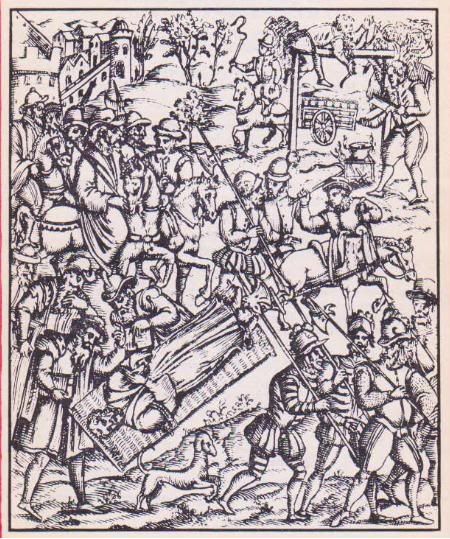
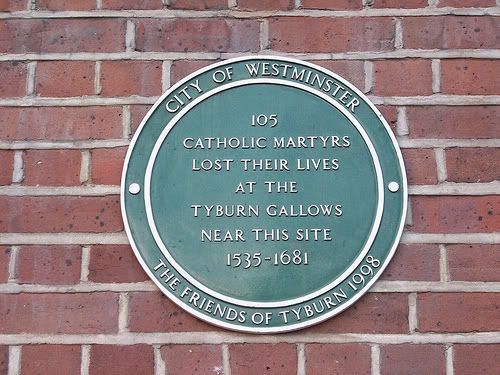
Today marks the feast day and anniversary of the death of the Venerable William Carter (1548-1584). Born in London, William was persecuted for treason against the Queen for his Catholic beliefs, was found guilty, and hanged, drawn, and quartered at the infamous Tyburn gallows.


A printer’s apprentice, and eventually the master of his own printing shop, William continued to print and reprint Catholic literature, despite the prohibition to do so at that time. He was eventually arrested for printing “lewd” pamphlets (i.e., Catholic pamphlets), and being in possession of books on the subject. Among the Catholic books printed, William produced over 1000 copies of Dr. Gregory Martin’s “A Treaty on Schism,” which contained one paragraph claiming the eventual victory of Catholicism, and which allegedly incited Catholics to violence and potential overthrow of the reigning queen, Elizabeth I.


Through multiple arrests, torture, the death of his family, and near-constant suffering, William Carter refused to renounce his faith or deny his beliefs. He is said to have calmly placed his trust in the Lord, even on the gallows where he made his final confession to a priest being executed beside him.

Are we so sure of our faith? Are we willing to suffer for our beliefs—whether it be mockery, discomfort, or making tough decisions? What are we willing to sacrifice for our faith, our Lord? We look to the Venerable martyr William Carter for inspiration, to never lose faith, to stand boldly, and place our confidence in the Lord. Today we pray for those whose confidence has been shaken. I also will continue my Novena to Our Lady of the Immaculate Conception. Lastly, requested intentions today include those who are preparing for surgery.


Day 11 of 365
Prayer Intentions: Those whose confidence in the Lord has been shaken
Requested Intentions: Those preparing for surgery (L)
Special Intentions: Those trying to conceive or adopt; Those who are pregnant or expecting children; New parents; Those who have experienced miscarriage or pregnancy complications

January 5

Posted by Jacob


John Nepomucene Neumann, born in the Czech Republic, became the first male American saint. After attending seminary in Prague, he came to upstate New York at the young age of 25, preaching and evangelizing throughout New York, Maryland, Virginia, and Ohio. A gifted linguist, Father Neumann learned eight languages during his ministry, enabling him to preach to, pray with, and hear the confessions of many groups of immigrants to the United States who had no pastors to attend to their spiritual needs.

Saint Neumann became the fourth bishop of Philadelphia at age 41. He is perhaps best known as the “founder of the Catholic School system within the U.S.,” as he established more than 30 schools throughout the Philadelphia area. During his brief tenure, Bishop Neumann actively invited many religious orders—both domestic and from abroad-- to establish new houses within the diocese. He founded a congregation of Franciscan sisters,brought the School Sisters of Notre Dame to the New World to assist in religious instruction and staffing an orphanage, and intervened to save the Oblate Sisters of Providence from dissolution. He greatly expanded the Church’s presence in Philadelphia, completing the construction of new parishes at almost the rate of one every month.


Prayer for the intercession of Saint John Neumann
O Saint John Neumann, your ardent desire of bringing all souls to Christ impelled you to leave home and country; teach us to live worthily in the spirit of our Baptism which makes us all children of the one Heavenly Father and brothers and sisters of Jesus Christ, the first-born of the family of God.


Obtain for us that complete dedication in the service of the needy, the weak, the afflicted and the abandoned which so characterized your life. Help us to walk perseveringly in the difficult and, at times, painful paths of duty, strengthened by the Body and Blood of our Redeemer and under the watchful protection of Mary our Mother.


May death still find us on the sure road to our Father's House with the light of living Faith in our hearts. Amen. (From the National Shrine of Saint John Neumann, http://www.stjohnneumann.org/)


Today we look to Saint Neumann, inspired by his willingness to leave his home, follow God’s will, put his faith in the intercessions of the Blessed Virgin, and reach out to strangers of every race, creed, and nationality. We pray to be more like “the Immigrant Shepherd” in our daily lives. We pray for all those who are in school, and who’s work or life situations separate them from those they love. We also keep the first submitted prayer request in mind, praying for those who are preparing for surgery.


Day 5 of 365
Prayer Intention: Students of all ages; Those who are far from home
Requested Intention: Those preparing for surgery (L)*

*administrative note: submitted prayer requests will be noted here, at the bottom of each post.  The first initial of the submitter will be indicated in parentheses.